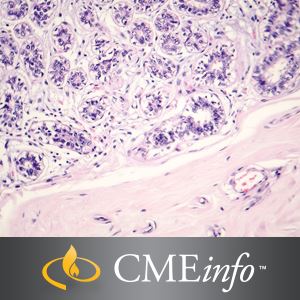

USCAP 2025 Contemporary Issues in Breast Pathology
$55
Description
Product Overview & Details for USCAP 2025 Contemporary Issues in Breast Pathology
videos + slides
Original release date: July 28, 2025
Course Description
This course will provide a comprehensive review and update of the pathologic diagnosis and clinical significance of benign, in situ and malignant lesions of the breast identified in surgical specimens and core needle biopsies. The most current adjunctive immunohistochemical and molecular studies to assist in the diagnosis and classification of benign and malignant breast lesions and to guide patient management will be emphasized.
Target AudiencePracticing academic and community pathologists, and pathologists-in-training
Learning ObjectivesUpon completion of this educational activity, learners will be able to:
- Describe the diagnostic criteria and clinical significance of a variety of benign, in situ and malignant breast lesions encountered in surgical specimens and core needle biopsies
- Discuss differential diagnostic problems in breast pathology and the uses and limitations of ancillary immunohistochemical and molecular tests in arriving at the correct diagnosis
- Discuss prognostic and predictive assays in patients with breast cancer
-
Intraductal Proliferative Lesions – Ashley Cimino-Mathews, MD
Section: 1 Presentation 1 DocumentUpdate on Classification and Management of LCIS – Stuart Schnitt, MD
Section: 1 Presentation 1 DocumentContemporary Issues in Breast Core Needle Biopsies – Laura Collins, MD
Section: 1 Presentation 1 DocumentDigital Slides: Small Glandular Proliferations – Laura Collins, MD
Section: 1 Presentation 1 DocumentDigital Slides: Atypical Intraductal Proliferations – Cecily Quinn, MD, FRCPath
Section: 1 Presentation 1 DocumentInflammatory and Reactive Lesions – Cecily Quinn, MD, FRCPath
Section: 1 Presentation 1 DocumentPapillary Proliferations – Edi Brogi, MD, PhD
Section: 1 Presentation 1 DocumentChallenging Fibroepithelial Lesions – Puay Hoon Tan, MD
Section: 1 Presentation 1 DocumentApocrine Proliferations – Cecily Quinn, MD, FRCPath
Section: 1 Presentation 1 DocumentDigital Slides: Fibroepithelial lesions – Puay Hoon Tan, MD
Section: 1 Presentation 2 DocumentsSpindle Cell Lesions – Cecily Quinn, MD, FRCPath
Section: 1 Presentation 1 DocumentVascular Lesions – Gregory Bean, MD, PhD
Section: 1 Presentation 1 Document -
Applications of Molecular Testing in Breast Cancer – Ashley Cimino-Mathews, MD
Section: 1 Presentation 1 Document 1 Certificate 1 Survey -
Classic Triple Negative Breast Cancers, TILS and the Immune Microenvironment – Ashley Cimino-Mathews, MD
Section: 1 Presentation 1 Document -
Special Type Triple Negative Breast Cancers – Laura Collins, MD
Section: 1 Presentation 1 Document -
HER2 Low and ER Low Breast Cancers – Stuart Schnitt, MD
Section: 1 Presentation 1 Document -
Pathologic Evaluation of Specimens After Neoadjuvant Therapy – Gregory Bean, MD, PhD
Section: 1 Presentation 1 Document -
Digital Slides: Spindle Cell and Vascular Lesions – Gregory Bean, MD, PhD
Section: 1 Presentation 2 Documents -
Digital Slides: Triple Negative Breast Neoplasms – Stuart Schnitt, MD
Section: 1 Presentation 1 Document -
Mucinous and Neuroendocrine Lesions – Puay Hoon Tan, MD
Section: 1 Presentation 1 Document -
Specimen Handling and Margin Evaluation – Laura Collins, MD
Section: 1 Presentation 1 Document -
Epithelial-Myoepithelial Proliferations – Puay Hoon Tan, MD
Section: 1 Presentation 1 Document -
Uncommon Clinical Scenarios – Edi Brogi, MD, PhD
Section: 1 Presentation 1 Document -
Digital Slides: Mucinous Lesions and ER+ Breast Cancers – Ashley Cimino-Mathews, MD
Section: 1 Presentation 1 Document -
Digital Slides: Unusual Breast Lesions – Edi Brogi, MD, PhD
Section: 1 Presentation 1 Document -
Uncommon Types of Invasive Breast Cancers – Gregory Bean, MD, PhD
Section: 1 Presentation 1 Document -
Contemporary Lymph Node Evaluation – Edi Brogi, MD, PhD
Section: 1 Presentation 1 Document -
Applications of AI to Breast Pathology – Stuart Schnitt, MD
Section: 1 Presentation 1 Document -
FREE SECTION: Panel Discussion and Q&A
Section: 8 Presentations
Categories: Obstetrics & Gynecology, Oncology-Hematology, Pathology, USCAP
Tags: academic and community pathologists, academic pathologist breast course, advanced breast pathology course, advanced breast pathology education, ai applications in breast pathology, AI breast pathology, AI in breast pathology, ancillary testing breast pathology, ancillary testing in breast pathology, apocrine breast lesions, apocrine breast proliferations, apocrine proliferations, apocrine proliferations breast, apocrine proliferations breast pathology, applications of molecular testing in breast cancer, atypical ductal hyperplasia, atypical intraductal proliferations, atypical intraductal proliferations diagnosis, Benign Breast Lesions, benign breast lesions diagnosis, benign breast lesions pathology, breast biopsy interpretation, breast biopsy interpretation course, breast biopsy pitfalls, Breast Cancer Biomarkers, Breast Cancer Classification, breast cancer classification update, Breast Cancer Diagnosis, breast cancer differential diagnosis, breast cancer digital pathology, breast cancer immune microenvironment, breast cancer immune microenvironment analysis, breast cancer immunohistochemical markers, breast cancer microenvironment, breast cancer molecular diagnostics, Breast cancer molecular testing, Breast Cancer Pathology, breast cancer pathology certification preparation, breast cancer pathology education, breast cancer pathology update, breast cancer pathology update 2025, breast cancer predictive testing, Breast Cancer Prognostic Assays, breast cancer prognostic biomarkers, breast cancer staging, breast cancer tumor microenvironment, Breast Core Biopsy Interpretation, breast core biopsy pitfalls, Breast Core Needle Biopsies, breast core needle biopsy, breast core needle biopsy interpretation, Breast Lesion Classification, Breast Lesion Diagnosis, breast lesion diagnosis and classification, breast lesion immunohistochemistry interpretation, Breast Lesions Diagnosis, breast lymph node evaluation, breast margin evaluation, breast pathology board review, breast pathology board review material, Breast Pathology Case Studies, Breast Pathology CME, breast pathology CME credits, breast pathology continuing education, breast pathology continuing medical education, Breast Pathology Course, Breast Pathology Differential Diagnosis, breast pathology differential diagnosis challenges, breast pathology digital slides, breast pathology digital slides review, Breast Pathology Education, breast pathology fellowship training, breast pathology for pathologists, breast pathology for practicing pathologists, breast pathology immunostains, breast pathology online course, breast pathology online course with slides, breast pathology slides, breast pathology training, breast pathology training for pathologists, breast pathology training for residents, Breast Pathology Update, breast pathology update 2025, breast pathology videos and slides, breast specimen handling, breast specimen handling and margin assessment, breast specimen margin assessment, Breast specimen margin evaluation, challenging breast core biopsy cases, classic triple negative breast cancers, community pathologist breast CME, Contemporary Breast Pathology, contemporary breast pathology CME, contemporary issues breast diagnosis, contemporary issues breast pathology, contemporary issues in breast pathology, contemporary lymph node evaluation, continuing medical education breast pathology, Core Needle Biopsies, core needle biopsies breast, core needle biopsy breast, core needle biopsy interpretation, core needle biopsy pathology, diagnostic criteria for breast pathology, differential diagnosis breast, differential diagnosis breast pathology, differential diagnosis in breast pathology, digital pathology breast, digital pathology breast slides, digital slide breast pathology, digital slide review breast pathology, digital slides breast pathology, ductal carcinoma in situ update, epithelial myoepithelial breast, epithelial-myoepithelial breast lesions, epithelial-myoepithelial lesions, epithelial-myoepithelial proliferations, epithelial-myoepithelial proliferations breast, ER low breast cancer, er low breast cancer pathology, ER-low breast cancer classification, Fibroepithelial Breast Lesions, Fibroepithelial Lesions, fibroepithelial lesions breast, fibroepithelial lesions breast pathology, her2 low breast cancer pathology, HER2-low breast cancer, HER2-low breast cancer evaluation, immune microenvironment breast cancer, immune microenvironment in breast cancer, immunohistochemical studies breast, Immunohistochemistry, immunohistochemistry breast, immunohistochemistry breast cancer, immunohistochemistry breast lesions, Immunohistochemistry breast pathology, Immunohistochemistry in Breast Pathology, In Situ Breast Lesions, in situ breast lesions differential diagnosis, in situ breast lesions pathology, inflammatory and reactive breast lesions, Inflammatory Breast Lesions, Intraductal Proliferative Lesions, intraductal proliferative lesions pathology, invasive breast cancer types, invasive breast carcinoma, invasive breast carcinoma diagnosis, LCIS, LCIS classification and management, LCIS classification and management update, LCIS classification management, LCIS management, Lobular Carcinoma In Situ, lymph node evaluation breast, lymph node evaluation breast cancer, lymph node evaluation in breast cancer, Malignant Breast Lesions, malignant breast lesions immunohistochemical analysis, malignant breast lesions pathology, margin evaluation breast cancer, margin evaluation breast specimens, molecular studies breast cancer, molecular testing, Molecular testing breast cancer, molecular testing in breast cancer, molecular testing in breast cancer diagnosis, mucinous breast carcinoma, Mucinous Breast Lesions, mucinous breast lesions diagnosis, mucinous lesions breast, neoadjuvant breast cancer pathology, neoadjuvant therapy, neoadjuvant therapy breast, neoadjuvant therapy breast pathology, neoadjuvant therapy pathologic response, neoadjuvant therapy pathology, neoadjuvant therapy specimen evaluation, neuroendocrine breast lesions, neuroendocrine breast tumors, neuroendocrine breast tumors pathology, neuroendocrine lesions breast, online breast pathology videos and slides, Papillary Breast Lesions, papillary breast lesions differential diagnosis, papillary breast proliferations, papillary proliferations, papillary proliferations breast, pathologic evaluation of specimens after neoadjuvant therapy, pathologic specimens handling, pathologist CME breast, pathologist continuing education, pathologist continuing medical education, pathologist education, Pathologists Continuing Education, pathologists-in-training breast course, pathology continuing education, pathology education for breast cancer, pathology resident breast education, predictive assays breast cancer, predictive assays breast pathology, Predictive Assays in Breast Cancer, Predictive Markers, predictive markers breast, predictive testing breast cancer, prognostic and predictive assays breast cancer, prognostic assays breast cancer, Prognostic Assays in Breast Cancer, Prognostic Markers, prognostic predictive assays breast cancer, Reactive Breast Lesions, Small Glandular Proliferations, small glandular proliferations breast, special type triple negative breast cancers, specimen handling margin assessment breast, Spindle Cell Breast Lesions, Spindle Cell Lesions, Spindle Cell Lesions Breast, Spindle Cell Lesions of the Breast, surgical breast pathology, surgical breast specimens, surgical pathology breast, surgical pathology breast course, Surgical Pathology Education, surgical pathology of breast specimens, surgical pathology of the breast, TILs breast cancer, TILs immune microenvironment breast, TILs in breast cancer, TILs in triple negative breast cancer, Triple Negative Breast Cancer, triple negative breast cancer pathology, tumor infiltrating lymphocytes, tumor infiltrating lymphocytes breast, tumor-infiltrating lymphocytes (TILs), uncommon clinical scenarios in breast pathology, uncommon invasive breast cancers, USCAP 2025, USCAP 2025 breast pathology, USCAP 2025 breast pathology course, Vascular Breast Lesions, vascular breast lesions pathology, Vascular Lesions Breast, vascular lesions breast pathology, Vascular Lesions in Breast Pathology, videos and slides breast pathology course